What Are Lice Good For? The Surprising Truth About These Tiny Creatures
It's not something we like to think about, but when you discover lice on your child's head, your first instinct is probably to get rid of them as quickly as possible. And rightfully so – nobody wants to deal with these unwelcome visitors. But what if we told you that these tiny creatures, despite being a nuisance in our modern lives, actually serve some surprising purposes that scientists are only now beginning to understand?
While we certainly don't recommend letting lice take up permanent residence in your family's hair, recent research has revealed some fascinating truths about what lice are actually good for – and the answers might surprise you.
The Unexpected Role in Immune System Development
One of the most groundbreaking discoveries about lice comes from research conducted at the University of Nottingham. Scientists found that lice may actually play a crucial role in helping regulate and strengthen our immune systems. This finding challenges everything we thought we knew about these parasites.
The research focused on Polyplax serrata, a louse species that affects wild wood mice, and discovered that these parasites have significant immuno-suppressive effects. Rather than simply being harmful, the lice appear to help condition what researchers call a "natural" immune system, potentially reducing the likelihood of various immune dysfunctions.
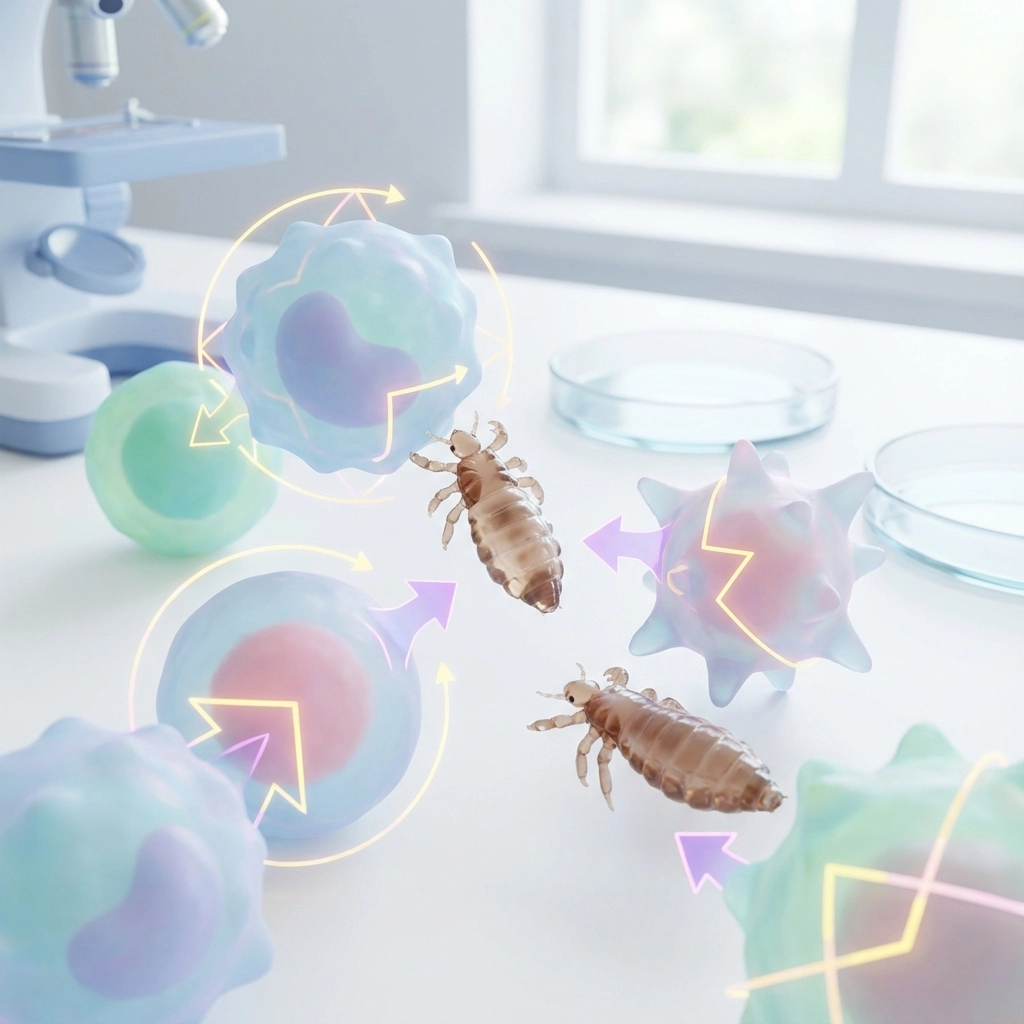
Here's where it gets really interesting: humans and other mammals evolved alongside parasites like lice for thousands of years. Our ancestors' immune systems developed in environments where exposure to various parasites was simply part of life. However, modern humans living in developed countries are exposed to a completely different profile of infections compared to our predecessors.
This dramatic shift in our microbial environment may have unintended consequences. Without exposure to parasites throughout development, our immune systems might become overactive and poorly regulated. This dysregulation has been linked to conditions including:
- Arthritis
- Asthma
- Diabetes
- Multiple sclerosis
- Various allergic responses
The theory suggests that by living in our artificially clean, hygienic environments, we may have inadvertently increased our susceptibility to these immune dysfunctions. It's a classic case of "too much of a good thing" – while sanitation has eliminated many serious diseases, it may have also removed some of the natural checks and balances our immune systems relied on.
How Lice Might Regulate Our Immune Response
The researchers believe that lice exert their immune-regulating effects through two possible mechanisms. First, they may directly secrete substances through their saliva that help modulate immune responses. Think of it as a biological conversation between parasite and host, where the lice essentially "teach" the immune system how to respond appropriately to threats.
Second, lice might work indirectly by transmitting specific bacteria or other microorganisms that help calibrate immune responses. These microscopic hitchhikers could serve as training partners for our immune systems, helping them learn the difference between real threats and harmless substances.
This doesn't mean we should welcome lice infestations – far from it. But it does help us understand why these creatures have survived and thrived alongside humans for so long. They weren't just taking advantage of us; in some ways, they were part of a complex biological partnership that we're only now beginning to appreciate.
Windows Into Human History and Evolution
Beyond their potential immune system benefits, lice have become invaluable tools for scientists studying human evolutionary history. The DNA of head lice serves as a living historical record that can reveal fascinating details about when different human populations separated and when they came back together.
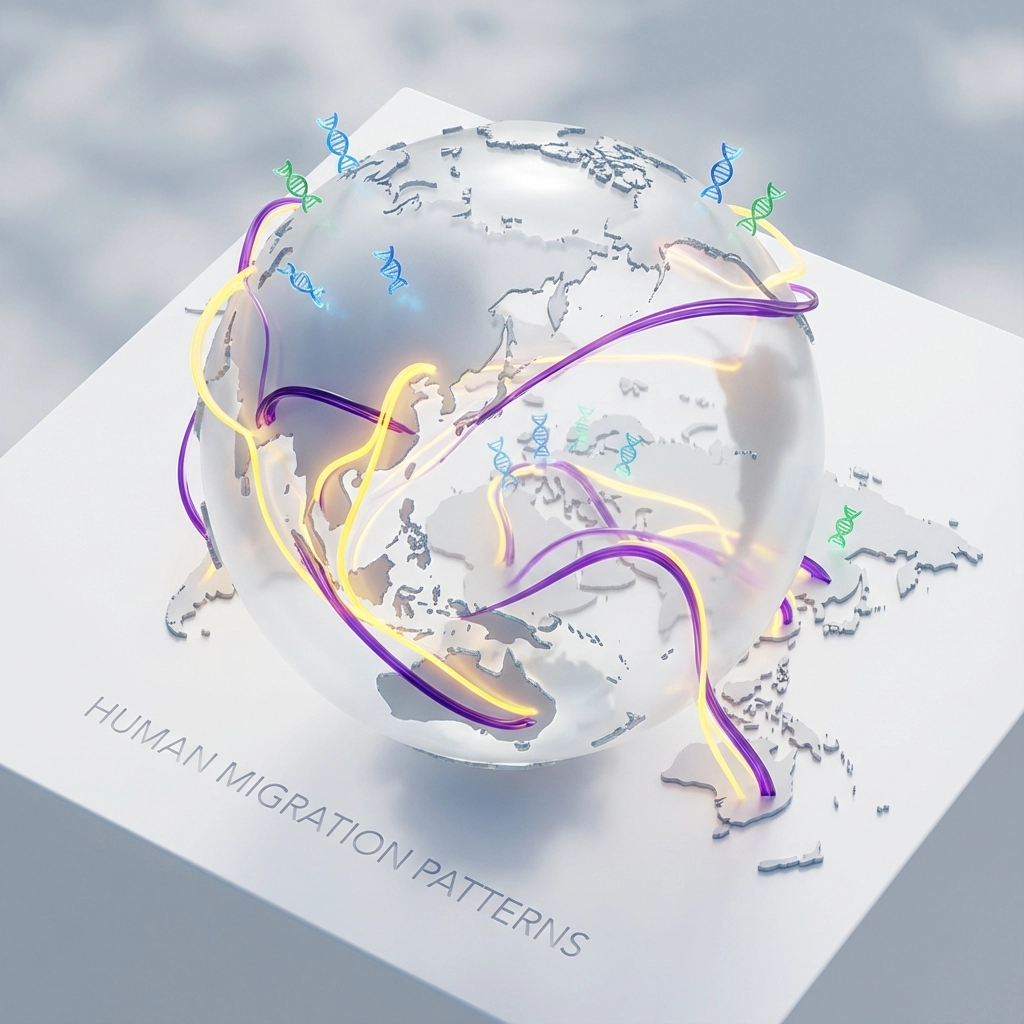
Researchers examine microscopic DNA segments called microsatellites – short, repetitive sequences that act like genetic fingerprints. By comparing these markers between different lice populations, scientists can trace genetic connections and match them to human migration patterns across continents and through time.
For example, genetic links between lice found in Asia and Central America perfectly reflect the initial migration of people from East Asia into the Americas thousands of years ago. This genetic evidence supports archaeological and anthropological findings about early human movements, providing an additional layer of confirmation for our understanding of prehistory.
Lice as Historians of Human Contact
What makes lice particularly valuable as historical witnesses is their ability to record interactions that might not show up in other types of evidence. Because lice can hybridize even when their human hosts don't interbreed, they may reveal trade relationships and cultural contact between groups that didn't produce offspring together.
This means that lice DNA can illuminate ancient trade routes, temporary settlements, and other forms of human interaction that traditional archaeological methods might miss. Ancient louse DNA is particularly valuable because it provides information about genetic diversity and evolutionary events that occurred long before written records existed.
Scientists have discovered that lice populations often mirror the genetic diversity of their human hosts, but with some important differences. These differences can reveal details about population bottlenecks, rapid expansions, and mixing events in human history that we might not detect from studying human DNA alone.
The Smallest Genome, The Biggest Insights
From a purely scientific perspective, lice are remarkable creatures. The body louse genome is the smallest known among holometabolic insects – those that undergo complete metamorphosis. This compact genome makes lice excellent subjects for genetic research and provides unique insights into how organisms can streamline their genetic code while maintaining complex biological functions.
This genetic efficiency has potential applications for understanding coevolution – the process by which different species evolve together over time. Researchers study how lice, their bacterial symbionts, and various pathogens have influenced each other's evolution, creating a complex web of biological relationships that extends far beyond the simple parasite-host dynamic most people imagine.
Modern Implications and Future Research
While these scientific discoveries are fascinating, it's important to understand what they mean for families dealing with lice today. The research doesn't suggest that lice infestations are beneficial for your child's health or that you should avoid treatment. Modern lice removal and prevention strategies remain the best approach for maintaining your family's comfort and preventing the spread of infestations.
However, this research does help explain why lice have been such persistent companions throughout human history. Rather than viewing them simply as pests, we can understand them as part of the complex biological ecosystem that shaped human evolution.
The ongoing research into lice genetics and biology may also lead to better treatment methods in the future. By understanding how lice feed, reproduce, and interact with their hosts at the molecular level, scientists may develop more effective and targeted removal strategies.
The Balance Between Science and Practical Reality
At Lice Troopers, we find this research fascinating from a scientific perspective, but we also understand that when you discover lice on your child, you need immediate, effective solutions. The evolutionary and immunological benefits of lice are interesting topics for researchers, but they don't change the fact that these parasites cause discomfort, embarrassment, and practical challenges for modern families.

Our professionals are trained to safely and effectively remove lice and nits from your child's hair using methods that are both thorough and gentle. We understand that dealing with a lice infestation can be stressful, and our goal is to provide you with quick, reliable solutions that get your family back to normal life as soon as possible.
If you're currently dealing with a lice situation, don't let scientific curiosity delay treatment. The sooner you address the problem, the easier it will be to eliminate completely and prevent spread to other family members or classmates.
Moving Forward with Knowledge
Understanding what lice are "good for" doesn't change our approach to treating infestations, but it does provide valuable context for these remarkable creatures' place in the natural world. As research continues, we may discover even more surprising connections between lice and human health, evolution, and biology.
For now, the most important thing is knowing that effective, professional lice removal services are available when you need them. While lice may serve important scientific purposes, they don't need to serve those purposes in your child's hair.
If you suspect your child has lice or need professional removal services, don't hesitate to contact our experienced team. We'll handle the practical side of lice removal while researchers continue exploring these fascinating scientific discoveries.