Can You Have Nits Without Lice? 5 Things Every Parent Needs to Know
It's not something we like to think about, but discovering tiny white specks in your child's hair can send any parent into a panic. You've likely heard about lice infestations, but what happens when you find nits, those small, stubborn eggs, without seeing any actual lice crawling around? This scenario is more common than you might expect, and understanding what it means is crucial for protecting your family.
The short answer is yes, you absolutely can have nits without lice being present on the scalp. However, this doesn't mean you're in the clear. Finding nits without lice requires immediate attention and a strategic approach to prevent a full-blown infestation from developing in your home.
1. Nits Without Lice Usually Signal an Early-Stage Infestation
When you discover nits but can't locate any live lice, you've likely caught an infestation in its earliest stages. This is actually good news: it means you have a window of opportunity to address the situation before it escalates.
A female louse must have been present at some point to lay those eggs, even if she's no longer visible or has moved on to another host. Adult lice are surprisingly elusive creatures, measuring only about the size of a sesame seed and possessing a talent for hiding in hard-to-see areas of the scalp. Newly hatched lice, called nymphs, are even more challenging to spot: they're roughly the size of a pinhead and nearly transparent.
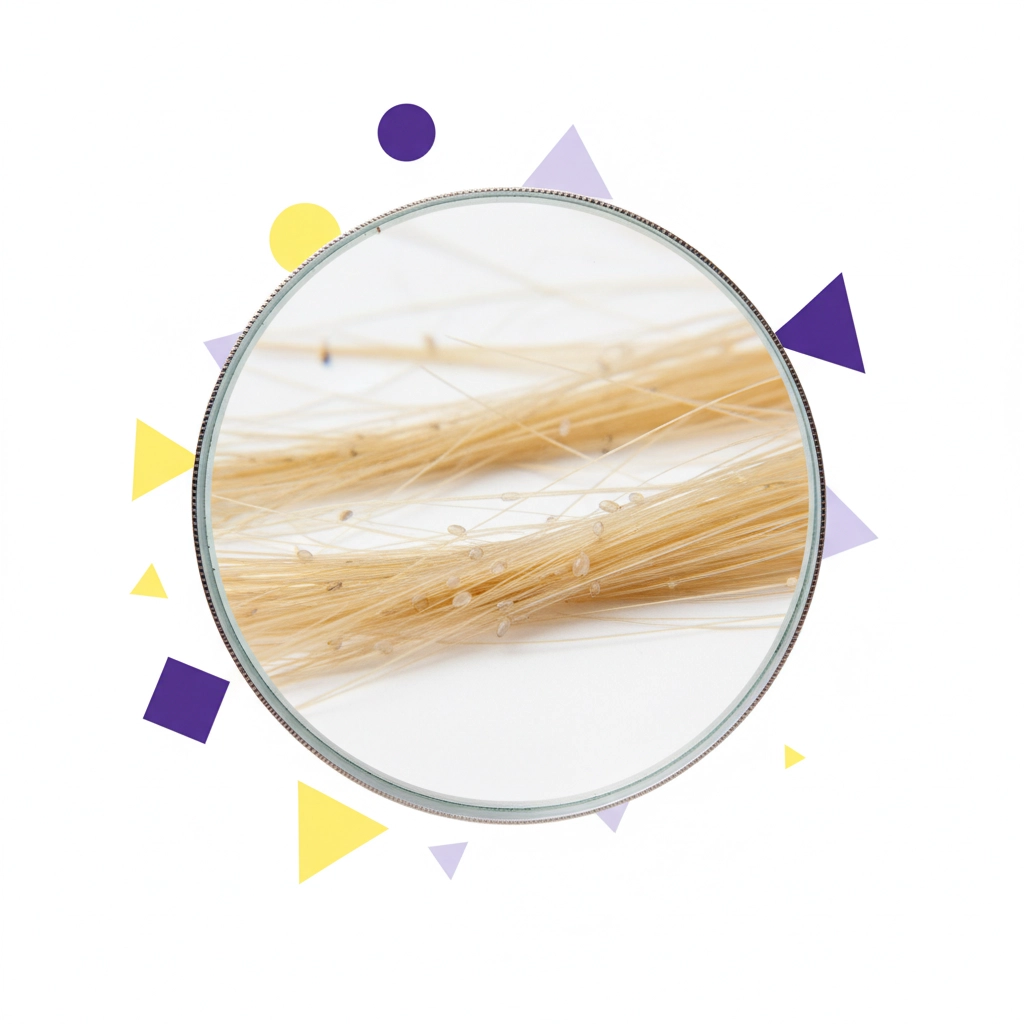
The timing factor is critical here. Female lice can lay up to six eggs per day, and these nits will hatch within 6 to 9 days under optimal conditions. This means that even if you can't see adult lice today, you could be dealing with a full infestation within a week if those nits are viable.
Your child's scalp provides the perfect environment for lice development: it's warm, humid, and offers easy access to blood meals. The louse that laid those eggs may have simply been knocked off during brushing, moved to another family member, or even died after completing her egg-laying mission.
2. Several Scenarios Explain Why You Might Find Nits Alone
Understanding the various reasons nits appear without visible lice helps you make informed decisions about treatment. The most common scenario involves a female louse who visited your child's head briefly, laid her eggs, and then departed. Lice are opportunistic creatures: they move between heads during close contact and may not establish permanent residence on every scalp they encounter.
Another possibility is that your child's scalp proved incompatible for the louse. While lice aren't particularly picky about their hosts, factors like hair texture, scalp pH, or even certain hair products can make one head less appealing than another. The louse may have laid a few eggs before determining that this particular environment wasn't suitable for long-term habitation.
Sometimes, you're dealing with remnants from a previous infestation that wasn't completely eliminated. Nits are incredibly resilient and can remain attached to hair shafts long after the lice that laid them have died or been removed. These leftover nits might not be viable, but they're indistinguishable from fresh ones without professional examination.
The original louse might have also met her demise through natural causes, aggressive brushing, or hair washing before establishing a full colony. Adult lice have relatively short lifespans: about 30 days: and various factors can cut this even shorter.
3. You Must Treat Nits as an Active Infestation Regardless
This is perhaps the most important point for parents to understand: discovering nits requires immediate action, whether or not you can locate live lice. The stakes are simply too high to adopt a wait-and-see approach.
Research indicates that approximately 20% of children who have nits without visible lice will develop a full infestation if left untreated. While those might seem like acceptable odds to some, consider what this means for your family's daily life. A full lice infestation involves weeks of intensive treatment, potential spread to other family members, and the social stigma that unfortunately still surrounds lice problems.
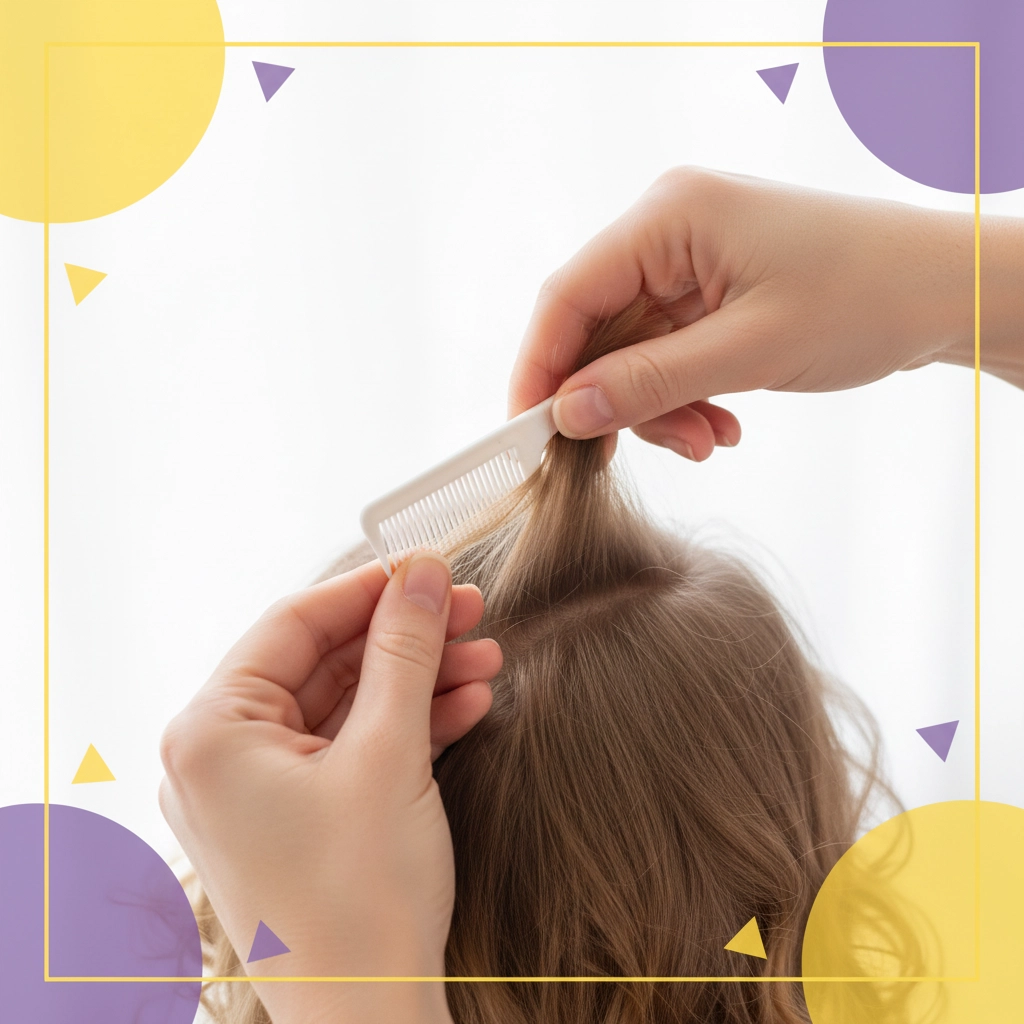
Immediate preventive measures are essential. Your child should avoid close head-to-head contact with friends and family members until you've confirmed the situation is resolved. This means no sleepovers, no sharing pillows during movie nights, and careful monitoring during playtime. While this might seem extreme, lice spread primarily through direct contact, and prevention is far easier than treatment.
Personal items require attention too. Hats, hair accessories, brushes, and pillowcases should not be shared until you're certain there's no risk of transmission. Consider washing your child's bedding in hot water and drying on high heat as a precautionary measure.
Don't wait for confirmation that the nits are viable: assume they are and act accordingly. Professional lice removal services can often distinguish between viable and non-viable nits, but attempting this determination at home wastes valuable time.
4. Proper Nit Identification Prevents Unnecessary Panic
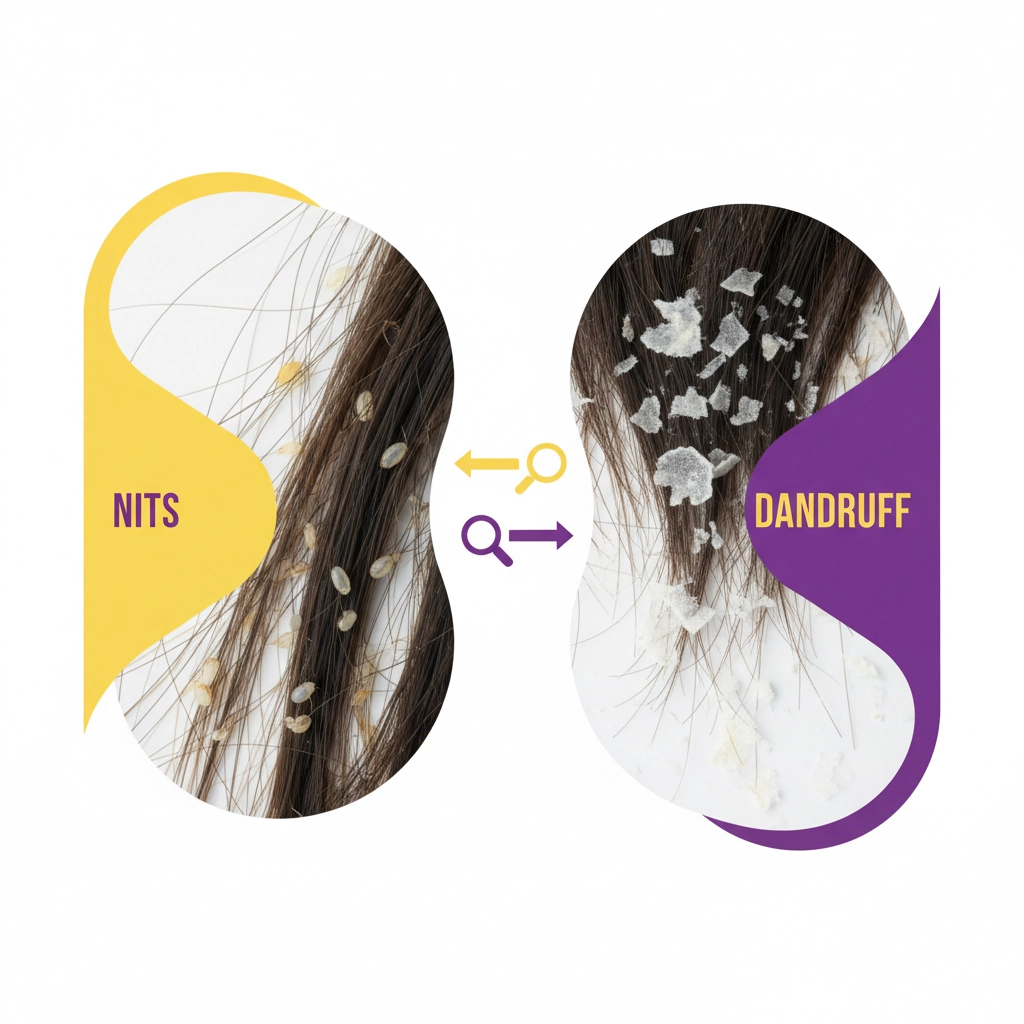
Learning to accurately identify nits versus other scalp conditions can save you significant stress and help you respond appropriately to what you're seeing. True nits have distinct characteristics that separate them from dandruff, hair product residue, or other common scalp issues.
Genuine nits appear as small, oval-shaped specks that are firmly cemented to individual hair shafts. They're typically found within a quarter-inch of the scalp, where the temperature and humidity levels are optimal for egg development. The most common locations are behind the ears, at the nape of the neck, and around the crown of the head: areas that provide warmth and are less frequently disturbed by brushing.
The attachment method is key to identification. Nits are glued to hair strands with a waterproof substance that makes them extremely difficult to remove. If the specks slide off easily or disappear with normal brushing, you're likely dealing with dandruff, lint, or product buildup rather than lice eggs.
Color provides important clues about nit viability. Brown, tan, or yellowish nits typically contain developing lice and pose the greatest risk. White or clear nits have usually already hatched, meaning the lice have emerged and moved elsewhere on the scalp or to other hosts. However, even hatched nits indicate that lice have been present recently.
The "pop test" can help confirm your suspicions. When you squeeze a viable nit between your fingernails, it will produce a small popping sound and may release a tiny amount of fluid. Empty or non-viable nits won't produce this characteristic sound.
5. Professional Treatment Offers the Most Reliable Solution
While over-the-counter treatments exist, professional lice removal services provide the most comprehensive and effective approach when dealing with nits without visible lice. This is particularly important given the uncertainty surrounding the situation: you need definitive answers and complete treatment, not guesswork.
Professional technicians can immediately determine whether the nits you've found are viable threats or harmless remnants. They have specialized equipment and training that allows them to identify lice at all life stages, including nearly invisible nymphs that parents typically miss. This expertise eliminates the guesswork and provides peace of mind.
The treatment approach used by professionals addresses both current nits and potential lice that might be present but undetected. Rather than relying on chemical treatments that lice are increasingly resistant to, many professional services use proven manual removal techniques combined with specialized combing tools designed to extract both lice and nits completely.

Professional services also provide valuable education about prevention and early detection. They can teach you what to look for during regular scalp checks and provide guidance on reducing your family's risk of future infestations. This knowledge proves invaluable for maintaining lice-free status long-term.
The comprehensive nature of professional treatment means you won't need to worry about missed nits developing into a full infestation weeks later. Many services also offer follow-up appointments or guarantees to ensure complete elimination of any lice-related threats.
Most importantly, professional treatment allows your family to return to normal activities quickly and confidently. Instead of spending weeks wondering whether your home treatment was effective, you'll have definitive confirmation that the threat has been eliminated completely.
If you've discovered nits in your child's hair, don't let uncertainty create unnecessary stress for your family. Contact our professionals at Lice Troopers for a thorough evaluation and comprehensive treatment that addresses both visible nits and potential hidden lice. Our experienced team provides the expertise and peace of mind you need to resolve the situation quickly and effectively.