Dead Nits But No Lice? Why It Happens More During the Holidays (And What to Do About It)
The holiday season brings family gatherings, sleepovers with cousins, and plenty of close contact that makes every parent a little more vigilant about lice. So when you're doing your routine head checks and discover what looks like brown nits but no lice crawling around, it's natural to feel confused and concerned.
Finding dead nits but no lice is actually more common during the holidays than you might think, and there are several perfectly logical explanations. Understanding what you're seeing and why it happens can help you respond appropriately without panic.
What Are Dead Nits and Why Do They Appear Without Live Lice?
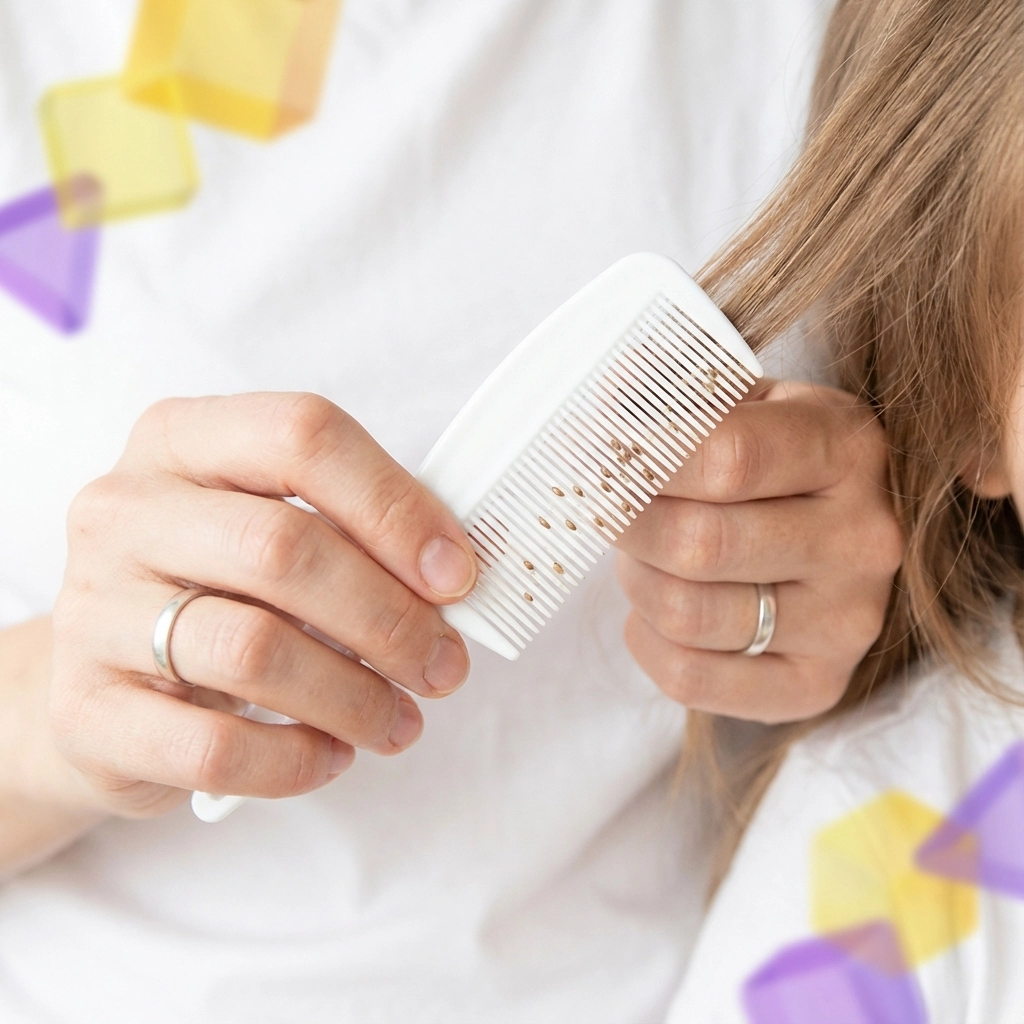
Dead nits are lice eggs that have either hatched and left behind empty shells or have died before hatching. Unlike live nits, which appear translucent or yellowish-white and are firmly attached close to the scalp, dead nits typically appear brown, gray, or completely clear and may be positioned further away from the scalp as hair grows.
There are several reasons you might find dead nits but no lice during your holiday head checks:
Recent successful treatment: If your child was treated for lice in recent weeks, dead nits can remain glued to the hair shaft long after the live lice have been eliminated. These leftover nits pose no threat but can cause unnecessary worry if you're not expecting them.
Early detection: Sometimes you catch an infestation so early that you spot the first few nits before the lice population becomes visible. Female lice lay 6-10 eggs daily, so nits often appear before multiple live bugs become obvious.
False alarm (pseudonits): What appears to be brown nits but no lice might actually be pseudonits – everyday scalp debris like dandruff, hair product buildup, or dead skin cells that closely resemble lice eggs.
The Holiday Connection: Why Dead Nits Show Up More This Time of Year
The holiday season creates the perfect storm for both lice transmission and increased parental vigilance, leading to more discoveries of dead nits. Here's why this combination is so common during holidays:
Increased head-to-head contact: Holiday gatherings mean more hugging, cuddling during movie nights, and kids sleeping close together during family visits. This close contact increases the likelihood of lice transmission, but it also means parents are checking heads more frequently.
Recent school outbreaks: Many lice outbreaks occur in the weeks leading up to holiday breaks when kids are in close quarters for holiday programs, parties, and end-of-semester activities. By the time families gather for holidays, some children may have been recently treated, leaving behind dead nits.
Winter clothing sharing: Cold weather means sharing hats, scarves, and winter gear – prime opportunities for lice transmission. When parents discover evidence during holiday head checks, they're often finding the aftermath of exposure that occurred days or weeks earlier.
Heightened awareness: Holiday stress and the prospect of family photos often make parents more vigilant about checking their children's appearance, including their hair. This increased scrutiny means finding things that might have been missed during normal routines.
How to Tell the Difference Between Dead and Live Nits
Distinguishing between dead nits and live ones is crucial for determining whether you need immediate treatment or just thorough removal. Here are the key differences:
Color: Live nits appear translucent, white, or light brown, while dead nits are typically darker brown, gray, or completely clear like empty shells.
Location: Live nits are always found within 1/4 inch of the scalp where the warmth helps them develop. Dead nits or empty shells may be found further away as hair grows.
Texture and removal: Dead nits are often easier to remove than live ones, though both can be quite stubborn. Live nits make a small popping sound when crushed between fingernails, while dead ones simply crumble.
Shape: Live nits are plump and oval-shaped, while dead nits may appear shriveled or collapsed.

What to Do When You Find Dead Nits During the Holidays
Discovering dead nits but no lice during holiday gatherings doesn't have to derail your celebrations, but it does require appropriate action:
Don't panic: Dead nits cannot hatch or cause reinfestation. Take a deep breath and assess the situation calmly.
Document what you find: Note the color, location, and quantity of what you're seeing. This information helps determine whether you're dealing with dead nits, pseudonits, or early-stage live infestation.
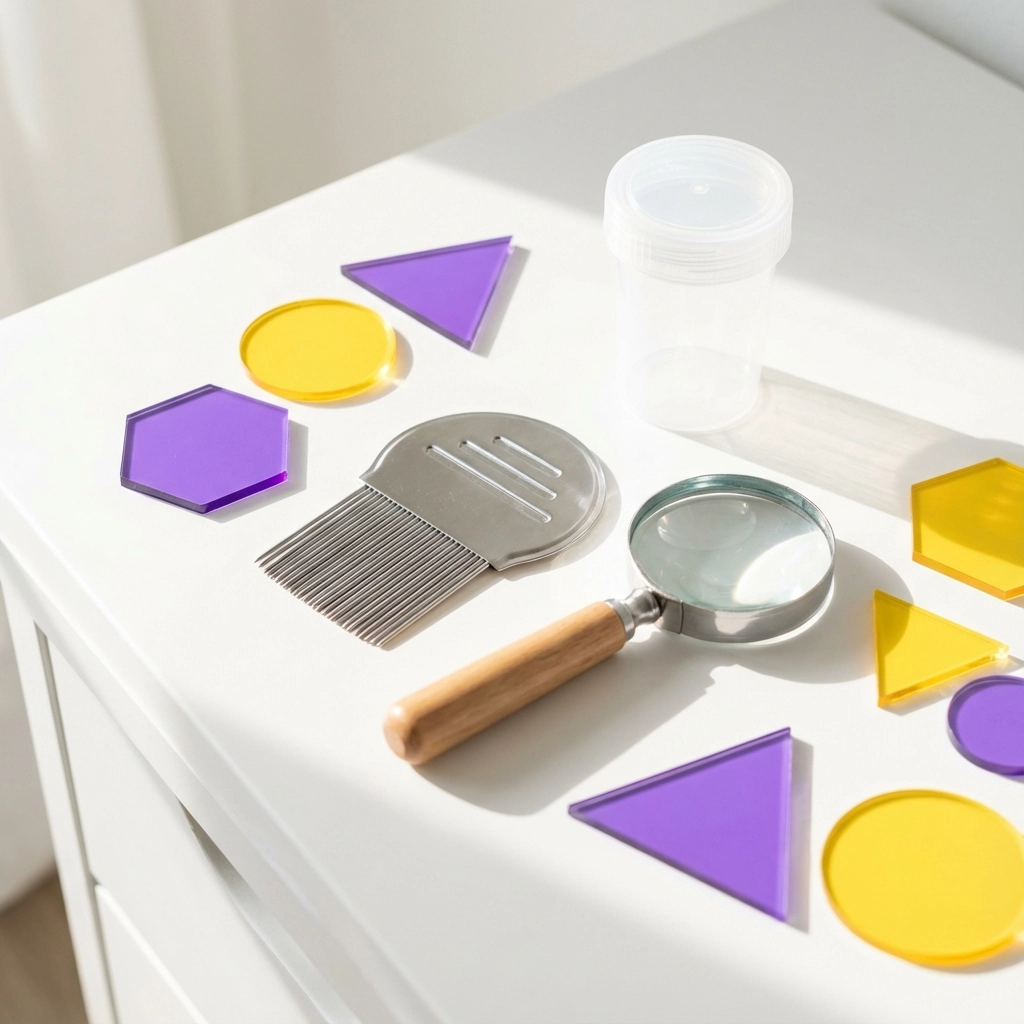
Perform thorough removal: Even though dead nits pose no health risk, removing them prevents confusion during future head checks. Use a high-quality lice comb and work systematically through small sections of damp hair.
Check other family members: While dead nits themselves aren't contagious, they might indicate recent lice activity. Check everyone who has had close contact with the affected child.
Monitor for live activity: Continue checking for live lice daily for at least a week. If you find moving bugs or discover nits close to the scalp, seek professional treatment immediately.
Family Lice Prevention During Holiday Gatherings
Prevention becomes especially important during holidays when families gather and children interact more closely than usual. Here are practical strategies to minimize risk:
Maintain personal space when possible: While it's unrealistic to prevent all close contact during family celebrations, remind children to avoid head-to-head contact during activities like taking selfies or watching movies.
Avoid sharing personal items: Establish clear rules about not sharing hats, hair accessories, brushes, or pillows during visits.
Tie back long hair: Keep long hair in tight braids, buns, or ponytails during gatherings to minimize contact points.
Pack personal bedding: When staying overnight at relatives' homes, bring your own pillows and pillowcases when possible.

When Dead Nits Require Professional Attention
While finding dead nits but no lice usually isn't an emergency, certain situations warrant professional evaluation:
Uncertainty about what you're seeing: If you can't determine whether you're looking at dead nits, live nits, or pseudonits, professional assessment provides peace of mind and accurate identification.
Multiple family members affected: When several people show signs of nits or eggs, professional treatment ensures comprehensive elimination and prevents reinfestation cycles.
Persistent findings: If you continue finding nits (dead or alive) despite multiple home treatments, professional intervention may be necessary.
Pre-holiday prevention: Some families choose professional screening before major gatherings to ensure everyone starts the celebration lice-free.
The Emotional Side of Holiday Lice Concerns
Finding any evidence of lice during the holiday season can trigger anxiety and embarrassment, especially when extended family is involved. Remember that lice infestations have nothing to do with cleanliness or parenting skills – they're simply a fact of life when children interact closely.
Dead nits are actually a positive sign that your vigilance is working and that any previous issues have been resolved. Many parents feel relief when they learn that what they've discovered poses no immediate threat to their family's holiday plans.
Moving Forward with Confidence
Understanding the difference between dead nits but no lice versus an active infestation empowers you to respond appropriately during the busy holiday season. Dead nits require removal for cleanliness and peace of mind, but they don't necessitate the immediate, comprehensive treatment protocols needed for live infestations.
The key is maintaining perspective while staying vigilant. Continue regular head checks throughout the holiday season, educate family members about prevention, and don't hesitate to seek professional guidance when you're unsure about what you've found.
Remember that finding brown nits but no lice during holidays is often the result of increased awareness combined with evidence of successfully managed previous exposures. With proper knowledge and preparation, you can navigate holiday gatherings confidently while protecting your family from active lice infestations.
If you discover dead nits during your holiday celebrations and want professional confirmation or assistance with removal, don't let uncertainty overshadow your family time. Professional lice specialists can quickly assess your situation and provide appropriate guidance, ensuring your holidays remain focused on what matters most – spending quality time with the people you love.